Geleneksel İtalyan Ev Yapımı Gnocchi
Sıfırdan otantik İtalyan patates gnocchi yapımını öğrenin. Her türlü sosla mükemmel uyum sağlayan yumuşacık, pamuksu köftecikler. Adım adım tarif dahil.
 5 görüntülenme
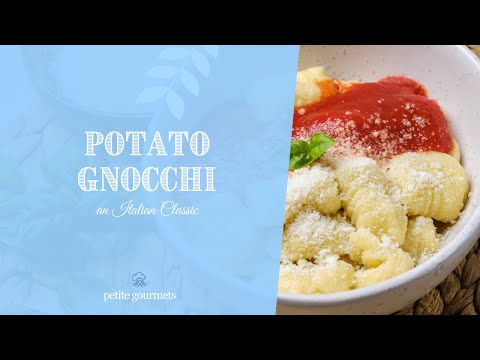
Bu kusursuz tarifle geleneksel İtalyan patates gnocchi'sini sıfırdan yapma sanatını keşfedin. Bu narin, pamuksu köftecikler, russet patates, un ve yumurtadan yapılır ve onlarla eşleştirdiğiniz her sosu mükemmel şekilde emen yumuşak bir doku yaratır.
Ev yapımı gnocchi tarifimiz kendi mutfağınızda restoran kalitesinde sonuçlar sunar. Sadece birkaç basit malzeme ve doğru teknikle, mükemmel piştiğinde yüzeye çıkan hafif, yumuşacık gnocchi yapacaksınız. En sevdiğiniz sosla hemen servis edin veya daha sonra kullanmak üzere dondurun.
Tarif Videosu
Malzemeler
7 malzemeYapılışı
-
Patatesleri hazırlayın
Fırınınızı 200°C'ye (400°F) ısıtın. 1 kg patatesi her yerinden çatalla delin ve doğrudan orta fırın rafına yerleştirin.
-
Patatesleri bastırıldığında hafifçe çökene ve bıçak kolayca geçene kadar 45-60 dakika fırınlayın. Çıkarın ve tutmak için güvenli olana kadar 10 dakika soğumaya bırakın.
-
Patatesleri ikiye bölün ve hala sıcakken etini kaşıkla çıkarın. Patates etini ricer veya food mill'den geçirerek temiz bir çalışma yüzeyine eşit tabaka halinde yayın.
-
Hamuru yapın
Ricer'dan geçirilmiş patateslerin artık buhar çıkmayana kadar 15 dakika soğumasını bekleyin. Ortasında çukur açın ve 1 çırpılmış yumurta, 1 yumurta sarısı ve 1 çay kaşığı tuzu ekleyin.
-
Patates karışımının üzerine 1 su bardağı un serpin. Hamur spatulası veya ellerinizi kullanarak, pütürlü bir hamur oluşana kadar malzemeleri kesip katlayarak nazikçe birleştirin.
-
Hamuru sadece bir araya gelip pürüzsüz hissedinceye kadar 30-60 saniye nazikçe yoğurun ama fazla işlemeyin. Hamur yapışkan hissediyorsa kalan 1 su bardağı unu kademeli olarak ekleyin.
-
Gnocchi'leri şekillendirin
Hamuru 8 eşit parçaya bölün. Her parçayı hafifçe unlanmış yüzeyde yaklaşık 2 cm (3/4 inç) kalınlığında ip haline getirin.
-
Her ipi hamur spatulası veya bıçak kullanarak 2 cm (3/4 inç) parçalara kesin. Gnocchi'leri birbirine değmeyecek şekilde unlanmış fırın tepsisine yerleştirin.
-
Gnocchi'leri pişirin
Büyük bir tencerede suyu yüksek ateşte kaynatın. Suya bir tutam tuz ekleyin.
-
Gnocchi'leri yaklaşık 20'şerli gruplar halinde kaynar suya ekleyin. Yüzeye çıkıp hafifçe sallanana kadar 2-3 dakika pişirin.
-
Gnocchi'leri hemen delikli kaşıkla çıkarın ve hazırladığınız sosunuza aktarın veya tereyağı ile karıştırıp sıcak servis yapın.
İpuçları
Pişirmeyi hızlandırmak ve buharın çıkmasını sağlamak için patates kabuklarını çizin, bu şekilde daha kuru et elde edersiniz ve daha az un emip daha hafif gnocchi yaratır.
Hamuru yapmadan önce pişmiş patateslerin oda sıcaklığına kadar soğumasını bekleyin. Sıcak patatesler yumurtayı zamanından önce pişirebilir ve yapışkan bir doku yaratabilir.
Yoğururken nazik davranın - sadece hamur bir araya gelene kadar. Fazla çalışmak gluten geliştirir ve sert, çiğneme gerektiren gnocchi yaratır.
Dokuyu kontrol etmek için önce birkaç gnocchi test pişirimi yapın. Eğer dağılıyorlarsa, şekil vermeden önce kalan hamura biraz daha un ekleyin.
Bütün hamurun işlenmesi sırasında şekillendirilmiş gnocchi'leri kurumalarını önlemek için nemli bir bezle örtülü tutun.
Tencerenin aşırı dolmasından kaçınmak için gnocchi'leri küçük partiler halinde pişirin, bu su sıcaklığını düşürür ve birbirine yapışmalarına neden olabilir.
Süzerken biraz makarna pişirme suyu ayırın - nişastalı su sosların gnocchi'ye daha iyi bağlanmasına yardımcı olur.
Çıtır gnocchi için, sos eklemeden önce pişmiş köftecikleri tereyağında bir taraf altın rengi olana kadar tavada kızartın.
Mükemmel Gnocchi'yi Ne Yapar?
Otantik İtalyan gnocchi'si, malzemeler ve tekniğin mükemmel dengesini yakalamaya dayanır. Anahtar, minimal un ve yumurta ile birleştiğinde ideal dokuyu yaratan nişastalı russet patatesler kullanmaktır. Çok fazla un yoğun, çiğneme gerektiren gnocchi ile sonuçlanır, çok az un ise pişirme sırasında dağılmalarına neden olur.
Restoran kalitesinde gnocchi'nin sırrı, patatesleri doğru pişirmek ve soğutmakla başlar. Haşlamak yerine fırınlamak aşırı nemi önler, ricer veya food mill kullanmak ise pürüzsüz, topaksız bir taban sağlar. Sert gnocchi yaratacak gluten gelişimini önlemek için hamur minimal şekilde işlenmelidir.
Bölgesel Varyasyonlar ve Tarih
Gnocchi'nin kökleri eskiye dayanır, Roma zamanından beri İtalya genelinde varyasyonları bulunmaktadır. Kuzey bölgeler genellikle ricotta veya ıspanak katarken, güney İtalya klasik patatesli versiyonu tercih eder. İsim, köfteciklerin karakteristik şeklini referans alan İtalyanca 'nocchio' yani düğüm kelimesinden türemiştir.
Her İtalyan bölgesi kendi dokunusunu katar: Roma'dan Gnocchi di ricotta, domates ve mozzarella ile Naples'ten gnocchi alla sorrentina, ve çeşitli bölgelerden gnocchi al pomodoro. Bazı alanlar normal un yerine irmik unu kullanarak farklı dokular ve lezzetler yaratır.
Sos Eşleştirmeleri ve Servis Önerileri
Geleneksel gnocchi, her köftecikle yapışan zengin, kaplayan soslarla güzel uyum sağlar. Klasik kombinasyonlar arasında adaçayı tereyağı sosu, basit domates fesleğen (pomodoro), kremalı gorgonzola veya doyurucu et ragu bulunur. Nötr patates lezzeti hem hafif hem de ağır sosları tamamlar.
Zarif sunumlar için yaban mantarı kremalı sos, çam fıstıklı pesto veya cacio e pepe ile gnocchi deneyin. Daha hafif seçenekler arasında sarımsak ve otlarla zeytinyağı veya kızarmış sebzelerle karıştırılmış versiyonlar bulunur. Sosları bağlamaya yardımcı olmak için her zaman makarna pişirme suyu ayırın.
Saklama ve Dondurma İpuçları
Taze gnocchi en iyi doku için hemen pişirilmelidir, ancak 2 güne kadar buzdolabında saklanabilir. Daha uzun saklama için, şekillendirilmiş gnocchi'leri unlu fırın tepsisinde katı hale gelene kadar dondurun, sonra 3 aya kadar hava geçirmez kaplarda saklayın.
Donmuş gnocchi'yi pişirmek için çözdürmeden doğrudan kaynar tuzlu suya ekleyin. Yüzeye çıkmaları 1-2 dakika daha uzun sürecektir. Önceden pişirilmiş gnocchi buzdolabında 3 gün saklanabilir ve sosla nazikçe ısıtılabilir.
Yaygın Sorunları Giderme
Eğer gnocchi hamuru çok ıslak hissediyorsa, idare edilebilir hale gelene kadar kademeli olarak küçük miktarlarda un ekleyin. Tersine, eğer çok kuru ve çatlaklıysa, çırpılmış bir yumurta sarısı ekleyin. Hamur hafifçe yapışkan hissettirmeli ama yapışkan olmamalı.
Pişirme sırasında dağılan gnocchi genellikle çok az un veya aşırı işlenmiş hamuru gösterir. Yoğun, çiğneme gerektiren sonuçlar çok fazla un veya aşırı yoğurmadan gelir. Bu geleneksel teknikle pratik mükemmelleştirir.
Sıkça Sorulan Sorular
Farklı türde patates kullanabilir miyim?
Russet patatesler yüksek nişasta içeriği ve düşük nem nedeniyle en iyisidir. Yukon Gold ikame edilebilir ancak ek un gerektirebilir. Kırmızı veya parmak patates gibi mumsu patatesleri kaçının.
Özel ekipmana ihtiyacım var mı?
Patates ricer'ı en pürüzsüz dokuyu yaratırken, food mill veya dikkatli ezme de işe yarar. Gnocchi tahtası geleneksel çizgiler ekler ama lezzetli sonuçlar için şart değildir.
Gnocchi'nin piştiğini nasıl anlarım?
Doğru pişmiş gnocchi kaynar suyun yüzeyine çıkar, genellikle 2-3 dakika sonra. Çatalla delindiğinde yumuşak hissetmeli ama yine de şeklini korumalıdır.