Traditional Italian Homemade Gnocchi
Learn to make authentic Italian gnocchi from scratch with this traditional potato dumpling recipe. Light, fluffy, and perfect with any sauce.
 By
6 views
By
6 views
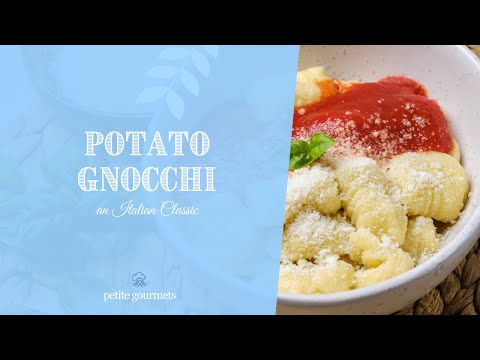
Master the art of homemade Italian gnocchi with this traditional recipe that transforms simple potatoes into pillowy-soft dumplings. These classic potato gnocchi are made with just four ingredients - russet potatoes, flour, egg, and a touch of Parmesan - yet deliver the authentic taste and texture that Italian grandmothers have perfected for generations.
Light, tender, and incredibly versatile, these handmade gnocchi are perfect for tossing with sage brown butter, rich tomato sauce, or creamy Parmesan. The recipe includes expert tips for achieving the perfect texture and comprehensive instructions for storing and freezing, so you can enjoy fresh gnocchi whenever you crave this comforting Italian staple.
Recipe Video
Ingredients
7 itemsInstructions
-
Prepare the Potatoes
Preheat oven to 400°F (200°C). Pierce the 2 lb of russet potatoes several times with a fork and place on a baking sheet.
-
Bake potatoes for 45-60 minutes until fork-tender and skin begins to wrinkle. Remove from oven and let cool for 10 minutes until safe to handle.
-
Make the Potato Base
Peel the warm potatoes with a paring knife while still slightly warm. Pass the peeled potatoes through a potato ricer or food mill onto a clean work surface, spreading them in an even layer.
-
Let the riced potatoes cool completely to room temperature, about 10-15 minutes. Create a well in the center of the potato mound.
-
Form the Dough
Add the whole egg and egg yolk to the well in the potatoes. Sprinkle the 1 tsp salt and pinch of nutmeg over the potatoes, then add 3/4 cup of the all-purpose flour.
-
Using a bench scraper or your hands, gently work the ingredients together until a soft dough forms. Add more flour gradually if the dough is too sticky, but avoid overworking.
-
Shape the Gnocchi
Divide the dough into 8 equal portions. Roll each portion into a rope about 3/4-inch thick on a lightly floured surface.
-
Cut each rope into 3/4-inch pieces using a bench scraper or knife. Place the gnocchi on a floured baking sheet, ensuring they don't touch each other.
-
Cook the Gnocchi
Bring a large pot of water to a rolling boil. Add 2 tablespoons salt to the water.
-
Add the gnocchi to the boiling water in batches of about 20 pieces to avoid overcrowding. Cook for 2-3 minutes until they float to the surface.
-
Use a slotted spoon to remove the gnocchi immediately when they float. Transfer to your prepared sauce or toss with butter and serve immediately.
Tips
Score the potatoes before baking to speed up cooking and allow moisture to escape, resulting in drier potatoes that will create lighter, fluffier gnocchi.
Use a potato ricer or food mill instead of a regular masher to achieve the smoothest texture and prevent lumpy gnocchi that won't hold together properly.
Work with warm potatoes but let them cool enough to handle safely - the warmth helps the flour incorporate more easily without overworking the dough.
Add flour gradually and stop as soon as the dough comes together; overworking will develop the gluten and create tough, chewy gnocchi instead of tender dumplings.
Test cook one or two gnocchi first to check the texture - if they fall apart, gently knead in a bit more flour before cooking the rest.
Cook gnocchi in batches to prevent overcrowding and maintain the water temperature, ensuring even cooking and preventing them from sticking together.
Use a slotted spoon to transfer cooked gnocchi directly from the boiling water to your sauce, allowing some pasta water to help bind the sauce.
Dust your work surface and hands lightly with flour while shaping to prevent sticking, but avoid using too much flour which can make the gnocchi heavy.
The History and Tradition of Italian Gnocchi
Gnocchi, pronounced "nyawk-kee," has been a beloved staple of Italian cuisine for centuries. The name derives from the Italian word "nocchio," meaning a knot in wood, referencing the dumpling's characteristic shape. While potatoes weren't introduced to Italy until the 16th century, various forms of gnocchi existed long before, made with ingredients like ricotta, semolina, and even breadcrumbs.
Traditional potato gnocchi originated in Northern Italy, where the cooler climate was ideal for potato cultivation. Each Italian region developed its own variations - from the delicate potato gnocchi of Piedmont to the ricotta-based gnudi of Tuscany. Today, gnocchi remains a cherished comfort food that brings families together around the dinner table.
Understanding Gnocchi: Pasta or Dumpling?
While gnocchi is often served alongside pasta dishes, it's technically classified as a dumpling rather than pasta. The key difference lies in the preparation method: traditional pasta is made primarily from wheat and water or eggs, while gnocchi combines starchy potatoes with flour to create a unique texture. When cooked properly, gnocchi should be light and airy, with small pockets that fill with steam and cause them to float to the surface when done.
Choosing the Right Potatoes
The secret to perfect gnocchi lies in selecting the right potatoes. Russet potatoes are ideal due to their high starch content and low moisture, which creates the fluffy texture essential for good gnocchi. Avoid waxy potatoes like red or fingerling varieties, as they contain too much moisture and will result in dense, gummy dumplings. Always bake your potatoes rather than boiling them to remove excess moisture and concentrate the potato flavor.
Perfecting the Gnocchi Technique
Creating perfect gnocchi requires a gentle touch and understanding of the dough. The key is to work quickly while the potatoes are still warm, using just enough flour to bind the mixture without overworking it. Too much flour will make the gnocchi heavy, while too little will cause them to fall apart during cooking. The dough should feel soft and slightly sticky but hold together when shaped.
Traditional Sauce Pairings
Gnocchi's mild flavor and pillowy texture make it an ideal canvas for various sauces. Classic pairings include sage and brown butter (burro e salvia), which allows the potato flavor to shine through, or a simple tomato sauce (sugo di pomodoro) for a comfort food favorite. Cream-based sauces like Gorgonzola or four-cheese work beautifully, while pesto provides a fresh, herbal contrast. For special occasions, try gnocchi with wild mushroom ragu or butternut squash sauce.
Storage and Freezing Tips
Fresh gnocchi is best cooked immediately after making, but it can be stored for later use. For short-term storage, pre-cook the gnocchi for 2 minutes, shock in ice water, and refrigerate for up to 3 days. For longer storage, freeze uncooked gnocchi on a floured baking sheet until solid, then transfer to freezer bags for up to 8 weeks. Frozen gnocchi can be cooked directly from the freezer without thawing.
Troubleshooting Common Issues
If your gnocchi turns out dense or gummy, the likely culprits are too much flour, overworking the dough, or using the wrong type of potato. Gnocchi that falls apart during cooking usually indicates insufficient binding - try adding a bit more flour or an extra egg yolk. For gnocchi that won't float, ensure your water is at a rolling boil and avoid overcrowding the pot.
Regional Variations to Explore
Once you've mastered basic potato gnocchi, explore regional variations like Roman semolina gnocchi alla romana, ricotta gnocchi from Tuscany, or colorful spinach gnocchi verdi. Each variation offers unique flavors and textures while maintaining the comforting essence that makes gnocchi such a beloved dish throughout Italy and beyond.