Susamlı Noodle
Learn to make authentic sesame noodles with tahini sauce and peanut butter. Quick 25-minute recipe with customizable vegetables and proteins.

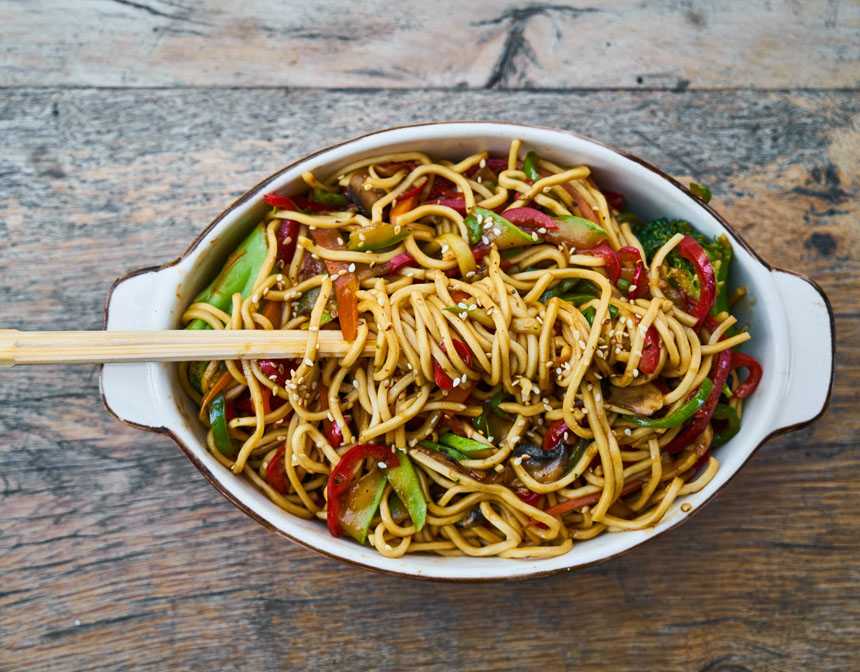
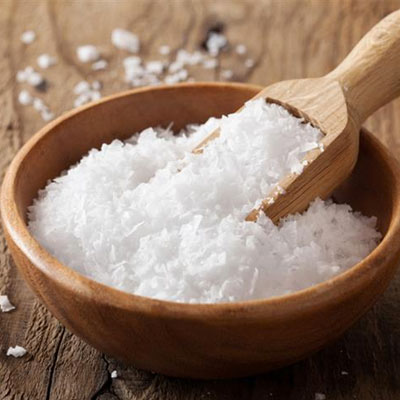
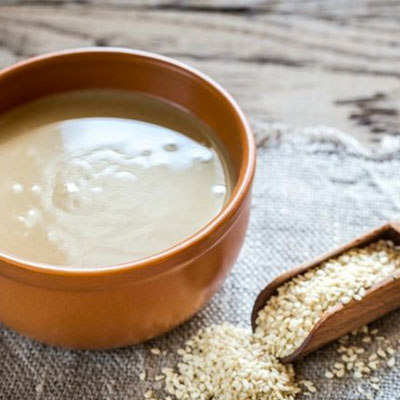
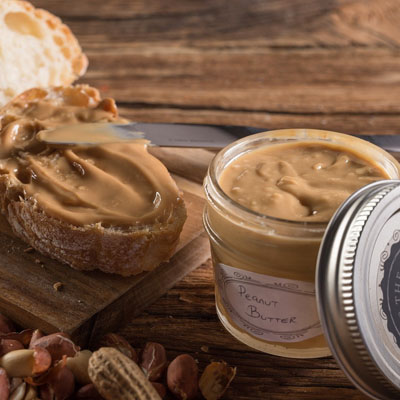
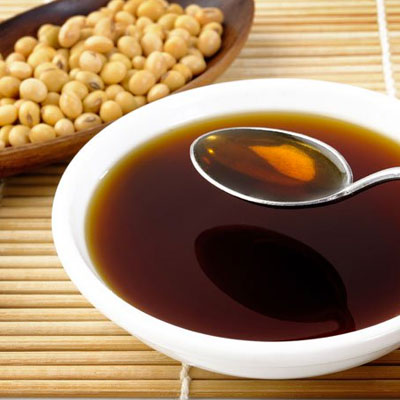
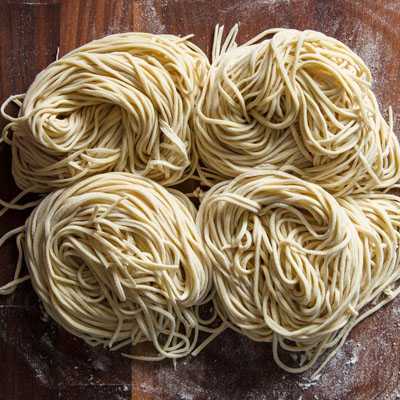
Sesame noodles combine the rich, nutty flavors of tahini and peanut butter with the umami depth of soy sauce to create one of Asia's most beloved comfort foods. This versatile dish can be served hot or cold, making it perfect for any season and occasion.
The silky sauce clings beautifully to tender noodles, while fresh vegetables add crunch and color. Whether you prefer it as a simple vegetarian meal or loaded with protein and extra vegetables, this recipe delivers authentic flavors with minimal effort in just 25 minutes.
Yapılışı
-
Cook the noodles
Bring a large pot of salted water to a rolling boil over high heat. Add 500g noodles and cook according to package directions until just tender, about 8-10 minutes.
-
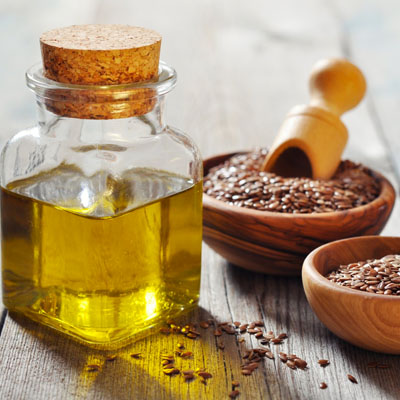
Drain noodles in a colander and immediately rinse with cold running water for 30 seconds to stop cooking. Shake off excess water and toss with 1 tablespoon sesame oil to prevent sticking.
-
Make the sesame sauce
Whisk together 2 tablespoons tahini and 4 tablespoons peanut butter in a large mixing bowl until smooth. Gradually whisk in 3 tablespoons warm water until the mixture forms a smooth, creamy paste.
-
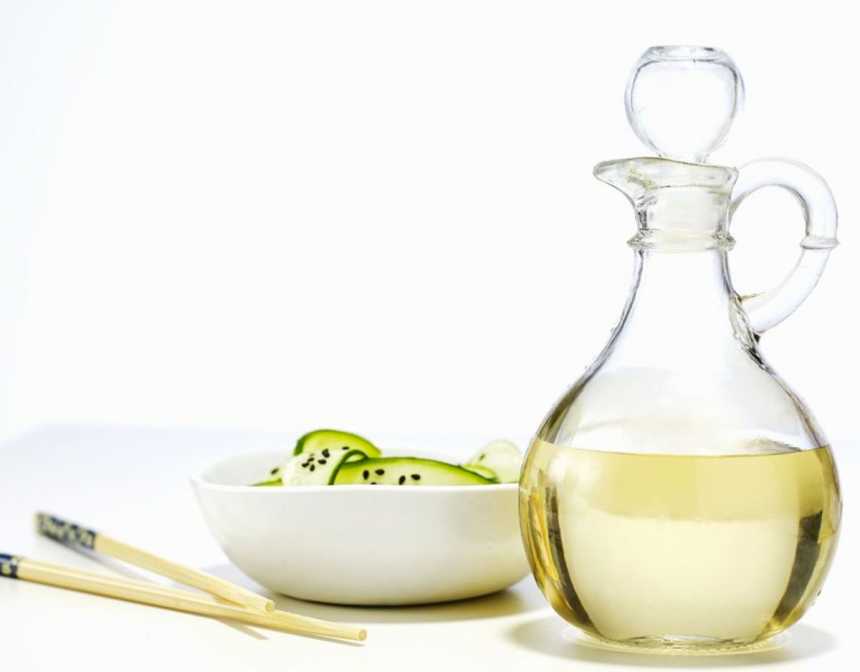
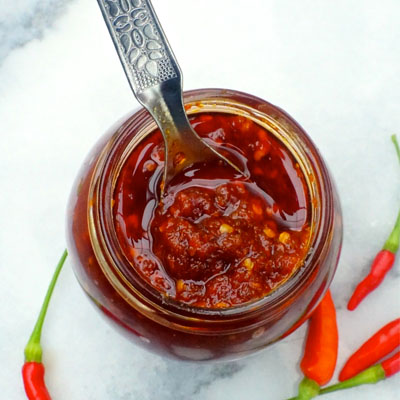
Add 4 tablespoons soy sauce, 2 tablespoons rice vinegar, 2 tablespoons sesame oil, and 1 tablespoon chili garlic sauce to the tahini mixture. Whisk vigorously until completely smooth and pourable, about 1 minute.
-
Prepare the vegetables
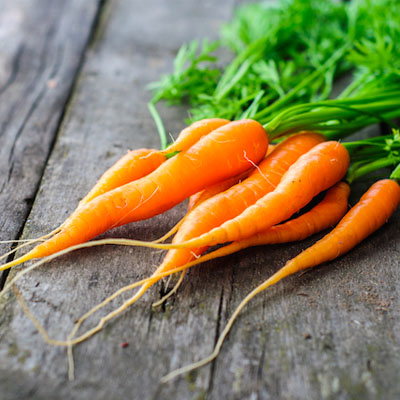
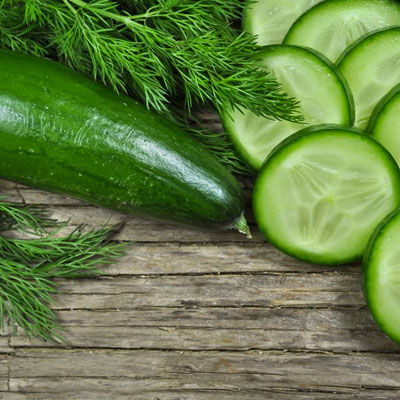
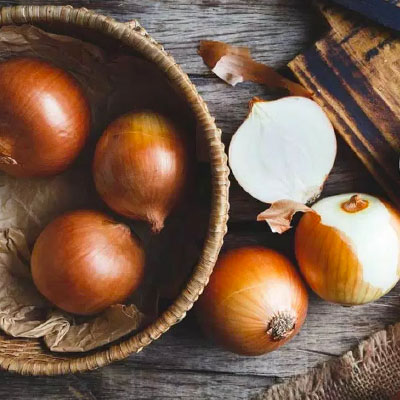
Cut 1 carrot into thin julienne strips about 2 inches long. Slice 1 cucumber into thin half-moon shapes. Finely slice 4 green onions diagonally into 1-inch pieces, separating white and green parts.
-
Combine and serve
Add the cooled noodles to the bowl with the sesame sauce. Using tongs or chopsticks, toss vigorously for 1-2 minutes until every strand is evenly coated with sauce.
-
Gently fold in the julienned carrots and sliced cucumber until evenly distributed. Transfer to a serving platter and garnish with sliced green onions and a sprinkle of sesame seeds before serving.
İpuçları
Cook noodles 1 minute less than package directions - they'll finish cooking as they absorb the warm sauce.
Warm your mixing bowl with hot water before combining ingredients to help the tahini and peanut butter blend more smoothly.
If your sauce becomes too thick, add hot water one tablespoon at a time rather than cold water, which can cause the oils to separate.
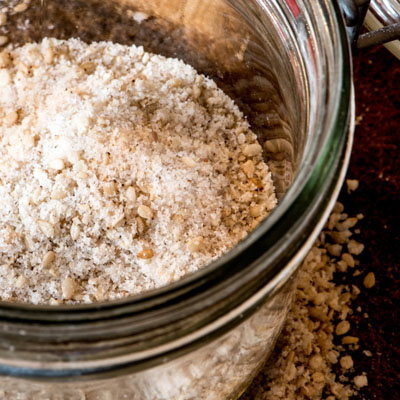
Toast sesame seeds in a dry pan for 2-3 minutes until golden for maximum flavor in your garnish.
Make extra sauce - it keeps for a week refrigerated and works great as a dip for vegetables or spring rolls.
For the best texture, let the dressed noodles sit at room temperature for 15 minutes before serving to allow flavors to penetrate.
Use kitchen shears to quickly cut long noodles into more manageable lengths after mixing with sauce.
The Origins of Sesame Noodles
Sesame noodles have deep roots in Chinese cuisine, particularly in the Sichuan and northern regions where sesame paste is a staple ingredient. The dish gained international popularity through Chinese-American restaurants, where it evolved to include peanut butter alongside traditional tahini, creating the rich, complex sauce we know today.
The beauty of sesame noodles lies in their versatility. In China, different regions prepare variations using local noodle types - from thick udon-style noodles to delicate angel hair varieties. The sauce itself can range from purely sesame-based to combinations that include peanut butter, creating layers of nutty flavor that complement the wheat noodles perfectly.
Choosing the Right Noodles
The foundation of great sesame noodles starts with selecting the right pasta. Traditional recipes call for fresh Chinese wheat noodles, but several alternatives work beautifully. Udon noodles provide a chewy texture that holds sauce well, while soba noodles offer a gluten-free option with their distinctive buckwheat flavor.
For home cooks, spaghetti or linguine make excellent substitutes and are readily available. The key is cooking the noodles just until al dente - they should have a slight bite since they'll continue to absorb the sauce. Rinsing the cooked noodles with cold water stops the cooking process and prevents them from becoming mushy.
Mastering the Sesame Sauce
The sauce is where this dish truly shines. The combination of tahini and peanut butter creates a complex nutty base, while soy sauce adds umami depth. Rice vinegar provides the essential acidic balance that prevents the sauce from being too heavy, and sesame oil delivers that distinctive aromatic finish.
The secret to a smooth sauce is gradual liquid incorporation. Start with hot water to thin the tahini and peanut butter mixture, whisking constantly to prevent lumps. The sauce should coat the back of a spoon but still flow easily - too thick and it won't distribute evenly, too thin and it won't cling to the noodles.
Variations and Customizations
Protein-Rich Sesame Noodles: Transform this into a complete meal by adding shredded chicken, beef, or tofu. Cook proteins separately and toss with the dressed noodles. Shrimp and salmon also pair beautifully with the sesame flavors.
Vegetable-Loaded Version: Broccoli, bell peppers, carrots, snap peas, and mushrooms all complement the nutty sauce. Blanch harder vegetables like broccoli and carrots briefly, while softer vegetables can be added raw for crunch.
Spicy Sesame Noodles: Increase the chili garlic sauce or add sriracha to taste. Some cooks prefer using chili oil instead, which adds both heat and additional sesame flavor.
Serving Suggestions
Sesame noodles shine as both a main dish and a side. Serve alongside grilled meats for barbecue gatherings, or pair with steamed dumplings for an authentic Chinese meal. The dish works equally well at room temperature, making it perfect for potlucks and picnics.
Garnishes elevate the presentation and add textural contrast. Toasted sesame seeds provide extra crunch, while sliced green onions add freshness. Cilantro brings an herbal note that complements the nutty flavors beautifully.
Storage and Reheating
Sesame noodles keep well in the refrigerator for up to four days when stored in an airtight container. The sauce may thicken upon cooling - simply add a tablespoon of hot water and toss to restore the proper consistency.
For reheating, use a skillet over medium-low heat with a splash of water or broth to prevent sticking. Microwave reheating works but can make the noodles slightly rubbery. For best results, bring to room temperature before serving if eating cold.
While freezing is possible, the texture of cooked noodles changes significantly after thawing. Instead, consider preparing and freezing just the sauce, then cooking fresh noodles when ready to serve.
Frequently Asked Questions
Can I make this dish gluten-free? Yes, use soba noodles made from 100% buckwheat or rice noodles. Replace soy sauce with tamari, which is naturally gluten-free.
What if I don't have tahini? You can use all peanut butter, though the flavor will be different. Alternatively, blend sesame seeds with a little oil to create a tahini substitute.
How do I prevent the noodles from clumping? Rinse cooked noodles with cold water immediately after draining, and toss with a small amount of sesame oil before adding the sauce.
Can I make this ahead of time? The dish is actually better after sitting for 30 minutes to allow flavors to meld. Prepare up to a day ahead, but add fresh garnishes just before serving.