Potato Pancakes
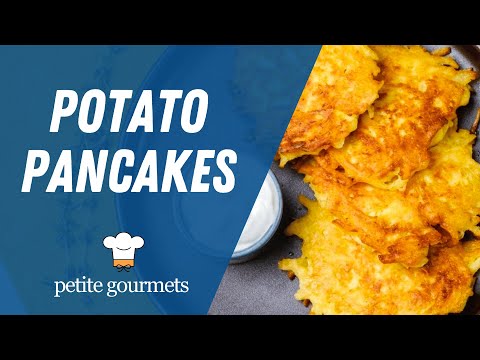
Crispy golden potato pancakes made with grated potatoes, onions and eggs. Perfect for breakfast or as a side dish. Served with applesauce and sour cream.
 By
12 views
By
12 views
Potato pancakes, also known as latkes or draniki, are a beloved dish in European cuisine that has become popular worldwide. These golden, crispy pancakes are made with simple ingredients - grated potatoes, onions, eggs, and flour - yet deliver incredible flavor and satisfying texture.
Whether served as a hearty breakfast, a comforting side dish, or even a light dinner, potato pancakes are incredibly versatile. They pair beautifully with traditional accompaniments like applesauce and sour cream, making them a perfect addition to any meal. With their crispy exterior and tender interior, these pancakes are sure to become a family favorite.
Recipe Video
Ingredients
8 itemsInstructions
-
Prepare the potatoes
Peel 4 large russet potatoes and grate them using the large holes of a box grater or food processor. Place the grated potatoes immediately in a bowl of cold water to prevent browning.
-
Grate 1 medium onion using the same large holes of the grater. Drain the potatoes completely and combine with the grated onion in a large bowl.
-
Remove excess moisture
Transfer the potato-onion mixture to a clean kitchen towel or several layers of paper towels. Wrap tightly and squeeze firmly to remove as much liquid as possible, about 1-2 minutes of pressing.
-
Make the batter
Beat 2 large eggs in the same large bowl. Add the squeezed potato mixture and stir until evenly combined.
-
Add 1/4 cup all-purpose flour, 1 teaspoon salt, 1/2 teaspoon black pepper, and 1/2 teaspoon garlic powder to the potato mixture. Stir just until the ingredients are combined and the mixture holds together when pressed.
-
Heat the oil
Heat 2 tablespoons vegetable oil in a large skillet or cast iron pan over medium-high heat until the oil shimmers and a small piece of batter dropped in sizzles immediately.
-
Form and cook the pancakes
Scoop 1/4 cup portions of batter into the hot oil, spacing them 2 inches apart. Use the back of a spatula to gently flatten each portion into a 3-4 inch pancake, about 1/2 inch thick.
-
Cook for 3-4 minutes without moving until the bottom is golden brown and crispy. Flip carefully and cook another 3-4 minutes until the second side is golden brown and the center feels firm when pressed.
-
Finish and serve
Transfer the cooked pancakes to a paper towel-lined plate to drain excess oil for 30 seconds. Serve immediately while hot and crispy.
Tips
Choose russet potatoes for their high starch content and low moisture, which creates the ideal crispy texture without excess oil absorption.
After grating potatoes, immediately soak them in cold water with a splash of lemon juice or vinegar to prevent browning and remove excess starch.
Thoroughly squeeze out all moisture from grated potatoes and onions using a clean kitchen towel - this is crucial for achieving crispy pancakes that don't fall apart.
Use a food processor with the grating disc for quick, uniform results, or a box grater for more control over texture.
Heat your pan properly before adding oil, then test the temperature by dropping a small amount of batter - it should sizzle immediately.
Don't overcrowd the pan as this lowers oil temperature and creates steam, preventing proper browning. Cook in batches of 2-3 pancakes maximum.
Keep finished pancakes warm in a 200°F oven on a wire rack-lined baking sheet to maintain crispiness while cooking remaining batches.
For extra flavor, try adding fresh herbs like chives, dill, or parsley, or spices like paprika or garlic powder to the mixture.
The History of Potato Pancakes
Potato pancakes have a rich culinary heritage spanning multiple cultures and centuries. Known by various names - latkes in Jewish cuisine, draniki in Belarus, reibekuchen in Germany, and kartoffelpuffer in Austria - these crispy delights have been nourishing families across Europe and beyond for generations.
The dish likely originated in Eastern Europe during the 18th century when potatoes became a staple crop. Jewish communities particularly embraced potato latkes during Hanukkah, as the oil used for frying symbolized the miracle of the Temple oil. German and Austrian immigrants later brought their versions to America, where potato pancakes became a beloved comfort food.
Types and Regional Variations
While the basic concept remains consistent, potato pancakes vary significantly across cultures. Swiss rösti is typically made without eggs or flour, creating a hash-like texture. German reibekuchen often includes apples for sweetness, while Polish placki ziemniaczane may incorporate grated onions and marjoram.
Jewish latkes are traditionally served during Hanukkah and often include matzo meal as a binding agent. American-style potato pancakes tend to be fluffier due to the addition of baking powder and sometimes milk. Each variation reflects local tastes and available ingredients, making potato pancakes a truly global comfort food.
Choosing the Right Potatoes
The type of potato you choose significantly impacts the final result. Russet potatoes are ideal for potato pancakes due to their high starch content and low moisture. This combination ensures crispy exteriors and fluffy interiors while preventing the pancakes from becoming soggy.
Yukon Gold potatoes can also work well, offering a slightly creamier texture. Avoid waxy potatoes like red potatoes, as they contain too much moisture and won't achieve the desired crispiness. Always use fresh potatoes rather than pre-packaged grated ones for the best flavor and texture.
Cooking Methods: Pan-Fried vs. Baked
Traditional potato pancakes are pan-fried in oil, creating that signature golden crust and tender interior. Use a neutral oil with a high smoke point, such as canola or vegetable oil. The oil should be hot enough that the batter sizzles immediately upon contact.
For a healthier alternative, baked potato pancakes offer similar results with less oil. Bake at 400°F for 20-25 minutes, flipping once halfway through. While they may not achieve the exact same crispiness as fried versions, baked pancakes are still delicious and considerably lighter.
Serving Suggestions and Pairings
Potato pancakes shine with both sweet and savory accompaniments. Traditional pairings include unsweetened applesauce and sour cream, which provide cooling contrast to the crispy, warm pancakes. For savory options, try them with smoked salmon, chives, and crème fraîche for an elegant brunch.
They make excellent side dishes for roasted meats, particularly pork, beef, or chicken. In German cuisine, they're often served alongside sauerkraut and bratwurst. For breakfast, top them with fried eggs, bacon, or fresh herbs. The neutral potato flavor makes them incredibly versatile.
Storage and Reheating Tips
Fresh potato pancakes are best enjoyed immediately while still crispy. However, leftovers can be stored in the refrigerator for up to 3 days. To maintain crispiness, reheat them in a 375°F oven for 5-7 minutes per side, rather than using a microwave which will make them soggy.
For longer storage, freeze cooked pancakes between sheets of parchment paper for up to 3 months. Reheat directly from frozen in the oven at 400°F for 10-12 minutes. The batter itself doesn't store well due to oxidation of the potatoes.
Frequently Asked Questions
Why do my potato pancakes fall apart?
This usually occurs when there's too much moisture in the mixture. Always squeeze out excess liquid from grated potatoes using a clean kitchen towel. Ensure you're using enough binding agents like flour and egg.
Can I make potato pancakes ahead of time?
While best served fresh, you can prepare the potato mixture up to 2 hours ahead. Keep it refrigerated and stir before cooking, as the potatoes may darken slightly. Add a bit of lemon juice to prevent oxidation.
What's the difference between hash browns and potato pancakes?
Hash browns are typically just seasoned grated potatoes, while potato pancakes include eggs and flour as binding agents, creating a more cohesive, pancake-like texture.