Primavera Makarna
Fresh and light Pasta Primavera with seasonal vegetables, garlic, and lemon sauce. Perfect weeknight dinner ready in 30 minutes!

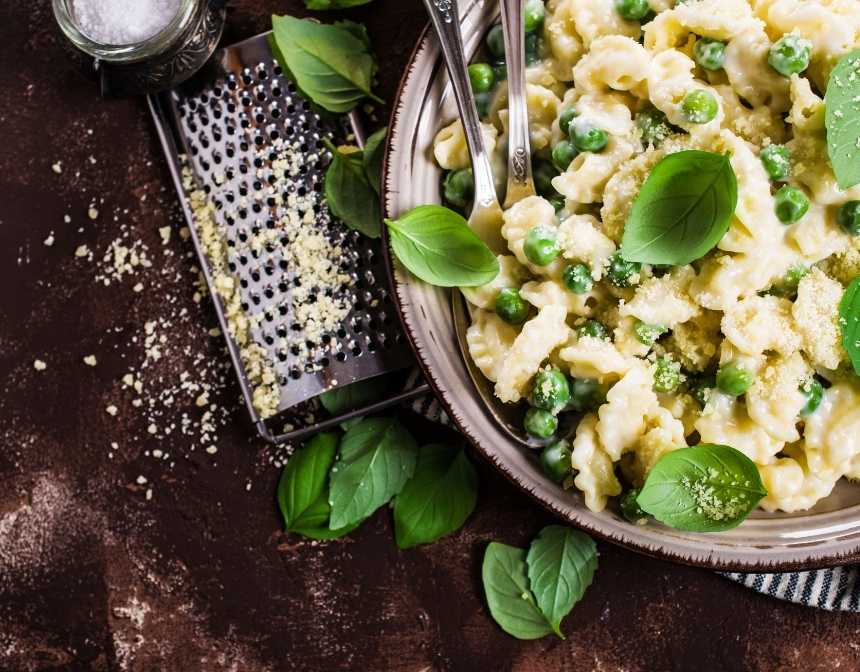
Pasta Primavera is a classic American dish that celebrates the fresh flavors of seasonal vegetables in a light, vibrant sauce. This recipe combines tender pasta with crisp-cooked vegetables, garlic, and a bright lemon finish that makes it perfect for any time of year.
Unlike heavy cream-based pasta dishes, this primavera features a simple sauce made with garlic, lemon juice, and pasta water that lets the natural flavors of the vegetables shine through. It's an ideal weeknight dinner that's both nutritious and satisfying, and can easily be customized with your favorite seasonal produce.
Yapılışı
-
Cook the pasta
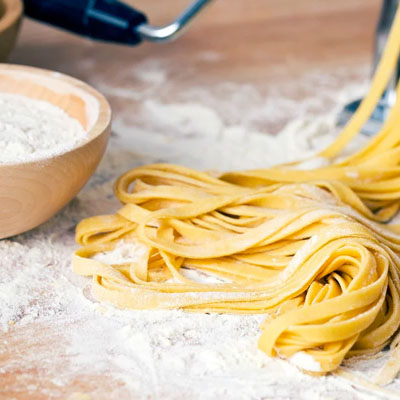
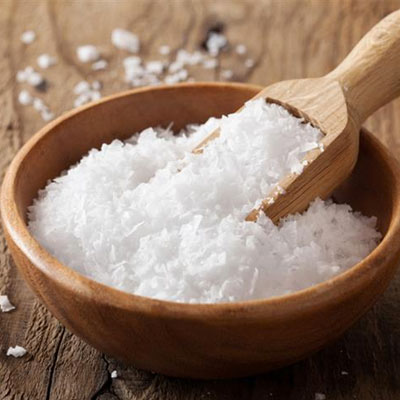
Bring a large pot of salted water to a rolling boil over high heat. Add 400g pasta and cook according to package directions until al dente, typically 8-10 minutes. Reserve 1 cup of the starchy pasta cooking water, then drain the pasta.
-
Prepare the vegetables
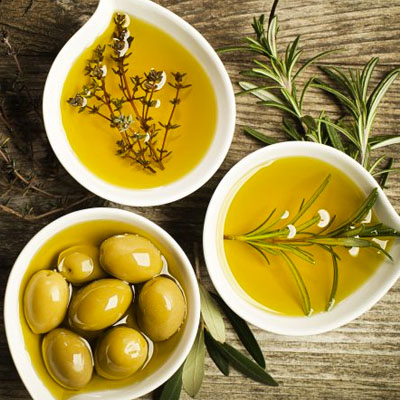
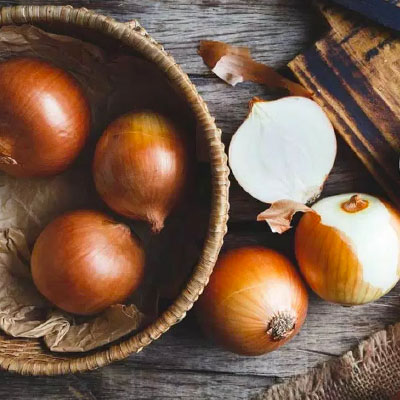
Heat 4 tablespoons olive oil in a large skillet or wide pan over medium-high heat until shimmering. Add 1 diced onion and cook for 3-4 minutes until soft and translucent.
-
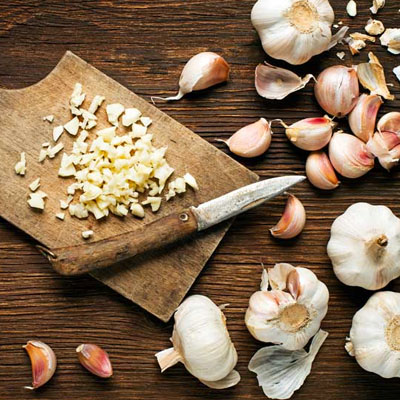
Add 2 minced garlic cloves and cook for 30 seconds until fragrant. Add 4 cups mixed vegetables (the harder ones like carrots and broccoli first) and cook for 2-3 minutes, stirring frequently.
-
Pour in ½ cup of the reserved pasta water and bring to a simmer. Cover and cook for 3-4 minutes until vegetables are crisp-tender but still bright in color.
-
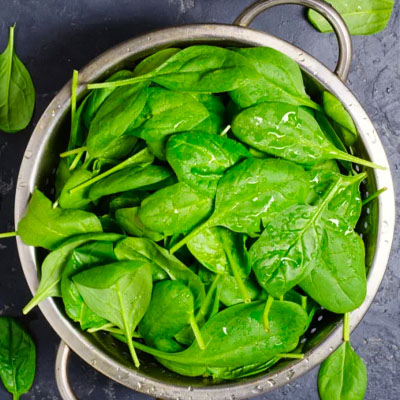
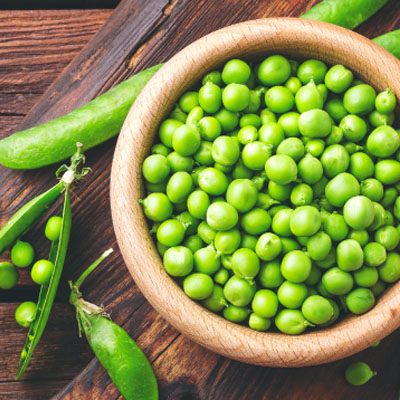
Add 150g peas and 150g fresh spinach to the pan. Cook uncovered for 1-2 minutes, stirring gently, until spinach wilts and peas are heated through.
-
Combine and finish
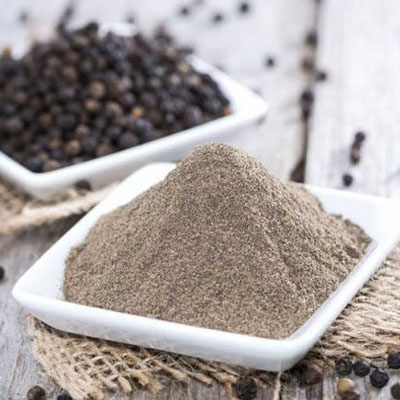
Add the drained pasta to the vegetable mixture and toss to combine. Add 1 tablespoon lemon juice, 100g grated Parmesan cheese, and 1 teaspoon black pepper.
-
Toss everything together for 1-2 minutes, adding more pasta water if needed to create a silky sauce that coats the pasta. Taste and adjust seasoning with salt and pepper.
-
Serve immediately in warmed bowls, topped with additional Parmesan cheese and fresh herbs if desired.
İpuçları
Salt your pasta water generously – it should taste like seawater. This is your only chance to season the pasta itself and makes a significant difference in the final dish.
Reserve at least 1 cup of pasta cooking water before draining. The starchy water helps bind the sauce and creates a silky texture that coats the pasta and vegetables.
Cut all vegetables to similar sizes to ensure even cooking. Use a sharp knife and aim for uniform pieces that will cook at the same rate.
Don't overcook the vegetables – they should be crisp-tender with bright colors. Overcooked vegetables become mushy and lose their nutritional value.
Add vegetables to the pan in order of cooking time: hard vegetables like carrots first, then medium vegetables like broccoli, and finally quick-cooking items like peas and leafy greens.
Use freshly grated Parmesan cheese rather than pre-grated for the best flavor and texture. The fresh cheese melts better and creates a creamier sauce.
Taste and adjust seasoning at the end. Add more lemon juice for brightness, salt for flavor enhancement, or red pepper flakes for heat.
Serve immediately for the best texture and temperature. Have your serving bowls warmed and ready to go when the pasta is finished.
What is Pasta Primavera?
Pasta Primavera, meaning "spring-style pasta" in Italian, is actually an American creation that became popular in the 1970s. This dish features pasta tossed with a variety of fresh vegetables and a light sauce, making it a perfect way to showcase seasonal produce.
The beauty of this dish lies in its simplicity and versatility. Instead of heavy cream sauces, traditional primavera uses a light combination of olive oil, garlic, and pasta cooking water to create a silky coating that doesn't mask the fresh vegetable flavors.
Best Vegetables for Pasta Primavera
The key to great primavera is using a variety of colorful, seasonal vegetables that cook at similar rates. Spring vegetables like asparagus, peas, and baby carrots are traditional, but you can adapt the recipe based on what's available.
Popular vegetable combinations include broccoli, bell peppers, zucchini, cherry tomatoes, and snap peas. The vegetables should be cut uniformly to ensure even cooking and maintain their crisp-tender texture.
Seasonal Variations
Spring: asparagus, peas, baby carrots, fresh herbs
Summer: zucchini, cherry tomatoes, bell peppers, corn
Fall: butternut squash, Brussels sprouts, cauliflower
Winter: broccoli, carrots, frozen peas, spinach
Choosing the Right Pasta
While you can use any pasta shape for primavera, certain types work better than others. Short pasta shapes like penne, farfalle, or rotini are excellent because they catch the vegetables and sauce in their curves and ridges.
Long pasta like spaghetti or linguine also works well, especially when the vegetables are cut into smaller pieces. The key is ensuring the pasta can hold onto the light sauce and incorporate well with the vegetables.
Cooking Techniques for Perfect Primavera
The secret to great primavera is proper timing and technique. Start by cooking the pasta in well-salted water until al dente. Reserve some pasta cooking water before draining – this starchy liquid is crucial for creating a silky sauce.
Cook vegetables in order of their cooking times, starting with harder vegetables like carrots and broccoli, then adding quicker-cooking items like peas and spinach. The goal is to achieve a crisp-tender texture that maintains the vegetables' color and nutrients.
Protein Additions
While primavera is delicious as a vegetarian dish, you can easily add protein to make it more substantial. Grilled chicken, shrimp, or salmon work beautifully. Cook the protein separately and add it to the pasta during the final tossing stage.
For vegetarian protein options, consider adding cannellini beans, chickpeas, or cubes of firm tofu that have been lightly pan-fried until golden.
Serving and Storage
Pasta Primavera is best served immediately while the vegetables are still vibrant and the pasta is hot. Garnish with fresh herbs like basil or parsley, and plenty of freshly grated Parmesan cheese.
Leftovers can be stored in the refrigerator for up to 3 days. When reheating, add a splash of water or broth to help restore the sauce's consistency. The dish can also be enjoyed cold as a pasta salad with a drizzle of extra olive oil and lemon juice.