Oleo Saccharum
Learn to make oleo saccharum, a traditional citrus oil and sugar syrup that adds bright, aromatic flavor to cocktails and beverages.

Malzemeler
3 malzeme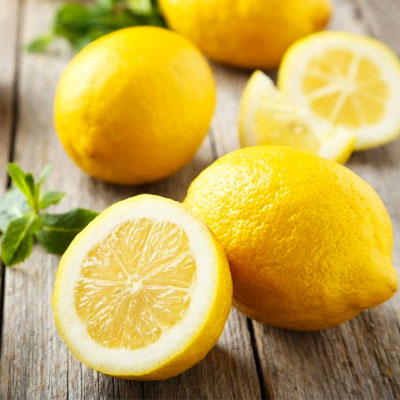
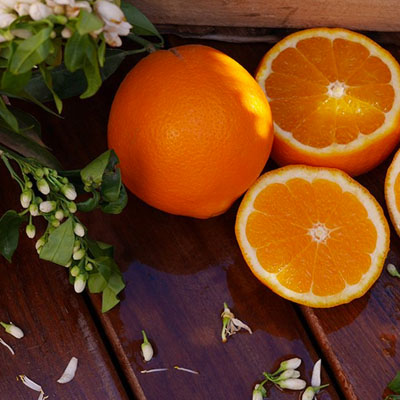
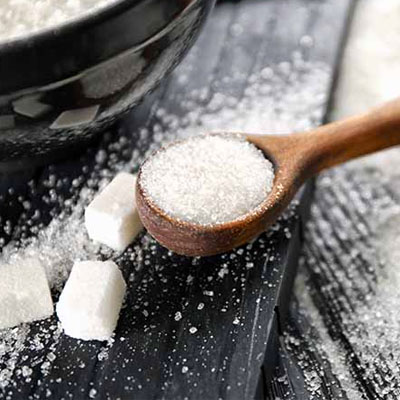
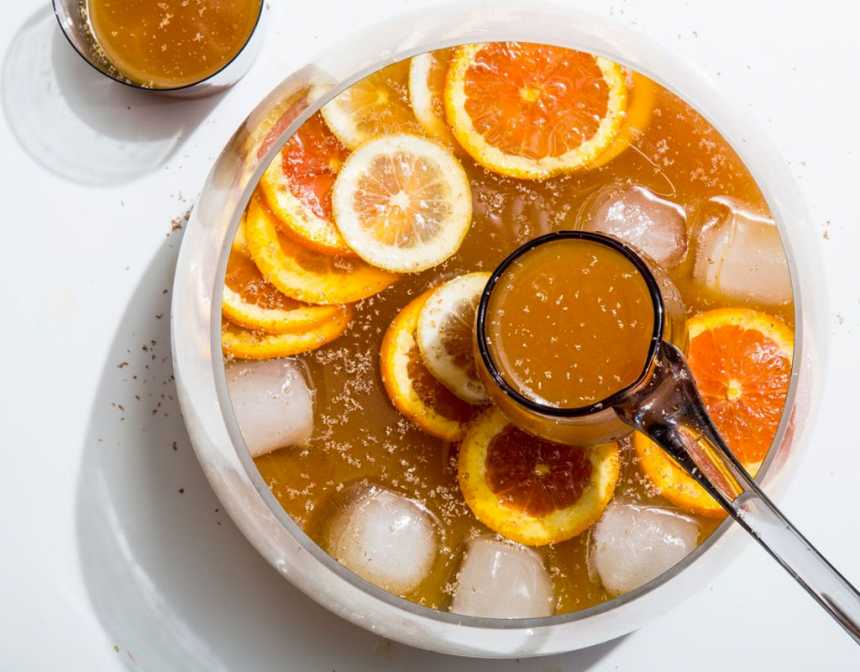
Oleo saccharum, meaning "oil sugar" in Latin, is a traditional technique that extracts essential oils from citrus peels using sugar. This aromatic syrup creates a concentrated burst of citrus flavor that transforms cocktails and beverages with its bright, complex taste.
Popular in classic cocktail making, oleo saccharum captures the essence of fresh citrus without the bitterness often found in juice or zest. The process is simple yet magical, requiring only time and patience to create this golden, fragrant syrup that bartenders and home mixologists treasure.
Yapılışı
-
Prepare the citrus peels
Using a vegetable peeler or sharp knife, remove the outer peel from 4 lemons and 4 oranges in wide strips, avoiding the bitter white pith underneath. Cut strips into roughly 2-3 inch pieces for maximum surface area.
-
Combine with sugar
Place all citrus peels in a medium mixing bowl and add 1/2 cup sugar. Toss thoroughly with your hands or a spoon until every peel strip is well coated with sugar.
-
Macerate the mixture
Cover the bowl tightly with plastic wrap or a lid and let sit at room temperature for at least 3 hours, or up to 24 hours for stronger flavor. The sugar will dissolve and extract the citrus oils, creating a syrupy liquid.
-
Strain and extract
Set a fine-mesh strainer over a clean bowl or measuring cup. Pour the macerated mixture through the strainer, then press the peels firmly with the back of a spoon to extract every drop of the oil-infused syrup.
-
Store the oleo saccharum
Transfer the finished oleo saccharum to an airtight container and refrigerate for up to 2 weeks. Discard the pressed peels and use the citrus syrup in cocktails, punches, or other beverages.
İpuçları
Use a sharp vegetable peeler or microplane to remove only the colored outer skin, avoiding the bitter white pith underneath.
Choose organic citrus when possible, as conventional fruits may have wax coatings that interfere with oil extraction.
Muddle the mixture gently every hour during the first few hours to help release more oils from the peels.
Strain through fine cheesecloth or a cocktail strainer to remove all solid particles for the smoothest texture.
Press the spent peels firmly against the strainer to extract every drop of precious citrus oil.
Make small batches to ensure freshness, as the bright citrus flavors fade over time even when properly stored.
Double-strain through coffee filters for crystal-clear oleo saccharum if appearance matters for your cocktails.
Save a few strips of the macerated peel as aromatic garnishes for cocktails made with your oleo saccharum.
The History of Oleo Saccharum
Oleo saccharum has its roots in 18th and 19th-century punch making, when bartenders and hosts needed ways to extract maximum flavor from expensive citrus fruits. This technique originated in Britain and colonial America, where punch was the drink of choice for social gatherings.
The method was born from necessity and frugality. Rather than wasting the flavorful oils in citrus peels after juicing, clever bartenders discovered that sugar could extract these precious oils through osmosis, creating a concentrated flavor base that would keep longer than fresh juice.
The Science Behind the Magic
The process works through osmosis and maceration. Sugar draws moisture and oils from the citrus peels, breaking down cell walls and releasing aromatic compounds. The natural oils in citrus peels are highly concentrated in the outer layer of the skin, making them perfect for this extraction method.
As the sugar dissolves the oils, it creates a syrup that captures not just sweetness, but the bright, complex flavors that make citrus so appealing. This includes limonene from lemons, linalool from oranges, and other terpenes that create the distinctive citrus aroma.
Variations and Flavor Combinations
While lemon and orange are classic choices, oleo saccharum works beautifully with any citrus fruit. Lime creates a sharp, tropical version perfect for rum cocktails, while grapefruit adds a bitter complexity ideal for sophisticated drinks.
You can also experiment with combinations: lemon-lime for brightness, orange-grapefruit for complexity, or adding herbs like rosemary or thyme during the maceration process. Some bartenders incorporate spices like cardamom or star anise for unique flavor profiles.
Using Oleo Saccharum in Cocktails
Oleo saccharum shines in classic punch recipes, where it provides both sweetness and citrus complexity. It's essential in traditional punches like Planter's Punch or Fish House Punch, where it creates depth that simple syrup cannot match.
Modern mixologists use it in whiskey sours, daiquiris, and gin cocktails. Start with a small amount - typically 1/4 to 1/2 ounce per drink - as the flavor is concentrated. It pairs beautifully with aged spirits like rum, whiskey, and cognac.
Storage and Shelf Life
Store oleo saccharum in an airtight container in the refrigerator for up to two weeks. The high sugar content acts as a natural preservative, but the fresh citrus oils will eventually lose their potency.
For longer storage, freeze portions in ice cube trays, then transfer to freezer bags. Frozen oleo saccharum keeps for up to three months and thaws quickly when needed.
Troubleshooting Common Issues
If your oleo saccharum seems dry after the initial rest, the citrus peels may not have contained enough moisture. Try macerating longer or adding a small amount of fresh citrus juice to help dissolve the remaining sugar.
Bitter flavors usually indicate too much white pith was included with the peels. Use a sharp peeler and avoid the white layer under the colored skin.
Frequently Asked Questions
Can I use any type of sugar?
White granulated sugar works best as it dissolves easily and doesn't compete with the citrus flavors. Superfine sugar dissolves even faster if available.
How long should I macerate the mixture?
Minimum 3 hours, but overnight or up to 24 hours produces the best results. The longer maceration extracts more oils and creates a richer flavor.
Can I speed up the process?
While patience yields the best results, you can gently muddle the mixture occasionally to help release oils faster. Avoid heat, which can create bitter compounds.